

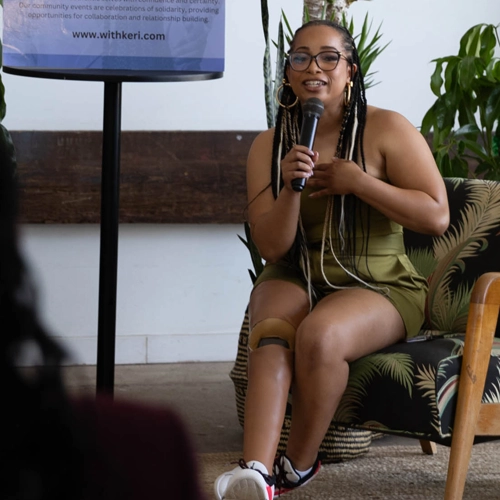
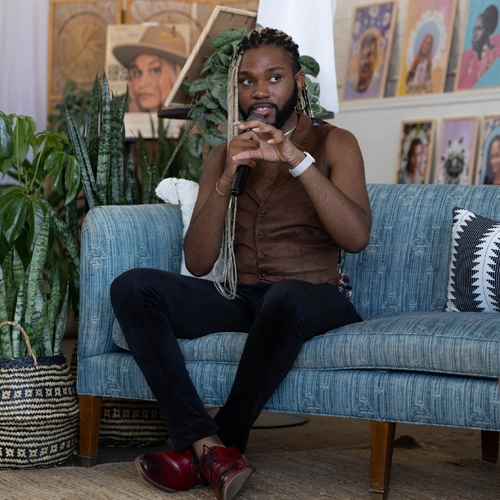
A Black person with long braids and a prosthetic leg sits in a chair holding a microphone and speaking at a community event, with a banner and plants visible in the background
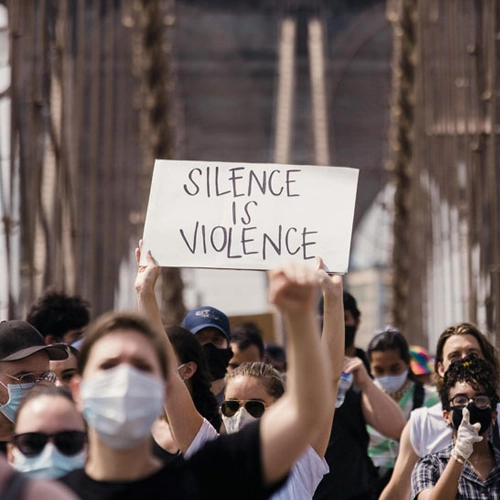
A crowd of masked protesters marches across a bridge, with one person holding a sign that reads "Silence is Violence"
A person of color signs in the foreground while another person in a NAMED Advocates shirt stands in the background against a brick wall
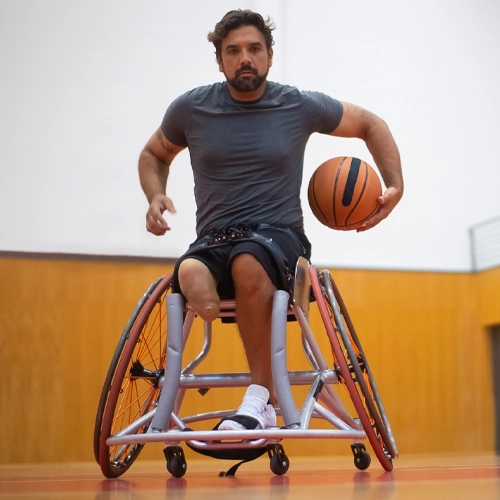
A person using a sports wheelchair dribbles a basketball on an indoor court, leaning forward in an athletic stance

About the Project

Rethinking Language in Science is a multi-year initiative that challenges the harmful language often used in science, healthcare, and research—language that can dehumanize disabled people, particularly those living with rare diseases and intersecting identities.

Grounded in community knowledge and lived experience, this work aims to reshape how disability, illness, and rare conditions are discussed, understood, and represented.

At its core is a central question: what would research look like if the people most affected by this language helped shape it?

A four-photo collage on a yellow background showing NAMED Advocates community members: a Black person with curly hair holding a "Black Disabled Lives Matter" sign, two people of color smiling together in NAMED Advocates shirts, a person signing while facing another person in a NAMED Advocates shirt against a brick wall, and a Black person with braids signing while seated on a couch surrounded by artwork

About the Project

Rethinking Language in Science is a multi-year initiative that challenges the harmful language often used in science, healthcare, and research—language that can dehumanize disabled people, particularly those living with rare diseases and intersecting identities.

Grounded in community knowledge and lived experience, this work aims to reshape how disability, illness, and rare conditions are discussed, understood, and represented.

At its core is a central question: what would research look like if the people most affected by this language helped shape it?
Two Black disabled people stand confidently against a bold orange concentric circle graphic on a black background — one using a white cane and wearing sunglasses, the other in a colorful coat

Research

We examine how scientific language shapes perception, treatment, and policy — particularly for individuals living with rare diseases and conditions — and how it can reinforce or dismantle ableism.

An initial literature review revealed several important insights:

  • Tension between disability models: Ongoing conflict between the medical model (focused on fixing conditions) and the social model (focused on removing systemic barriers).
  • Contrasting language frameworks: Biomedical research often uses deficit-based language, while disabled communities emphasize identity, autonomy, and lived experience.
  • Need for community-centered research: People living with rare diseases are rarely asked how they want to be described—highlighting a critical gap this project aims to address.
A Black person with braids sits on a blue couch holding a microphone, speaking expressively in a warmly decorated room filled with plants and portrait artwork

Resources

Educational materials, explainers, and tools designed to support advocates, researchers, and community members seeking more just and inclusive language practices in science and health — especially as they relate to rare diseases and conditions.

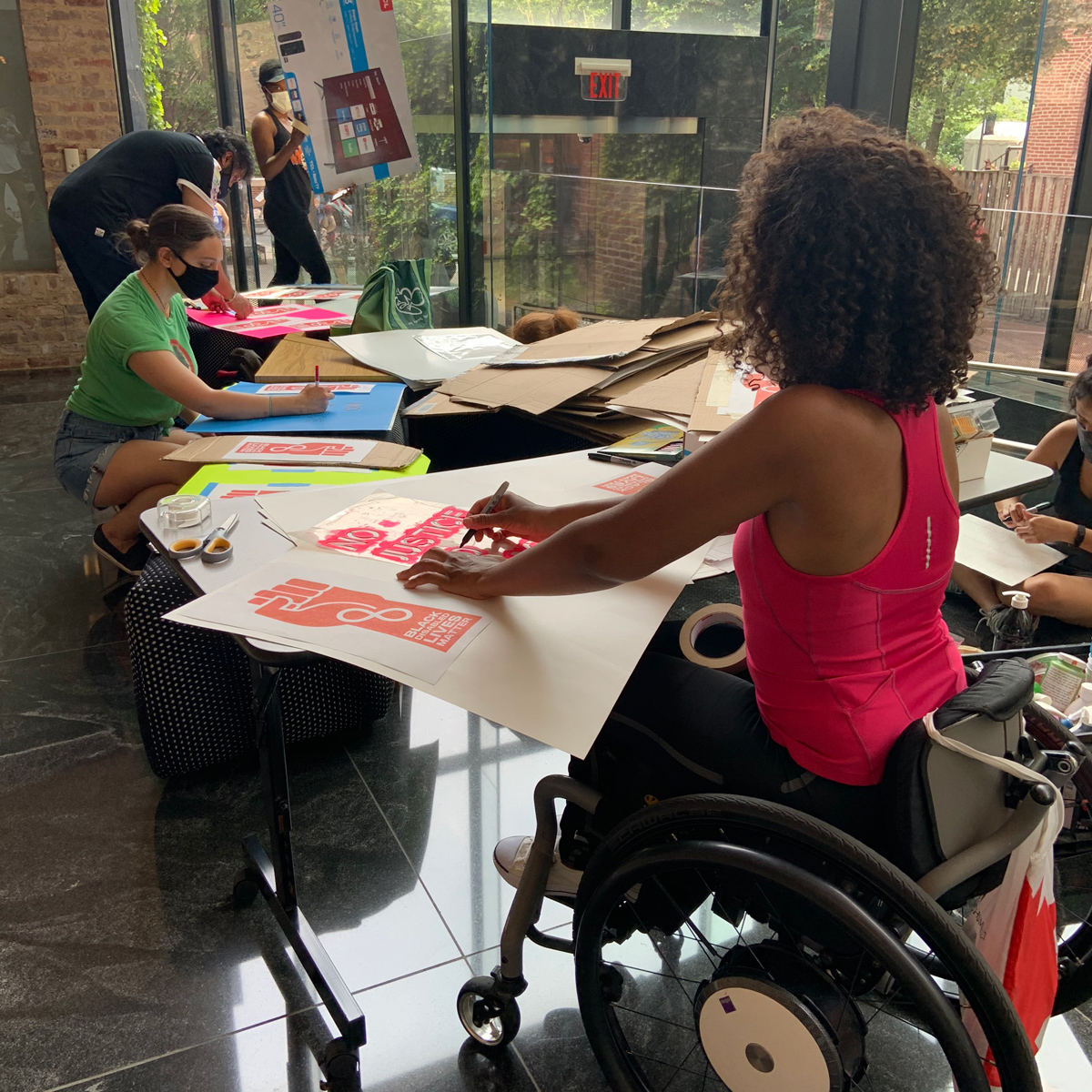
A group of folks making posters for the protest. One person is in a wheelchair.

Advisory Council

The Advisory Council is made up of disabled leaders, advocates, and thinkers — including individuals with lived experience of rare diseases and conditions — who help provide valuable input in how the project grows, ensuring accountability to community values and lived realities.

Get In Touch

Contact Us